

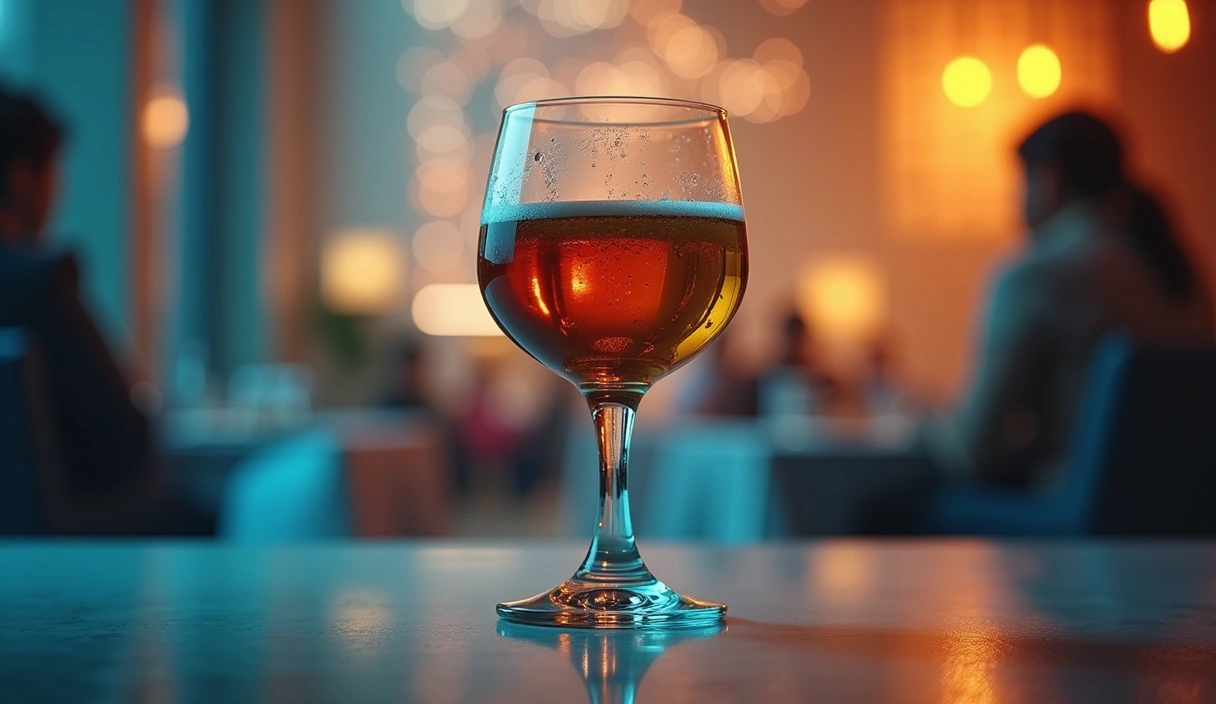
Alcohol has become a common part of celebrations, nights out, and holiday gatherings. For some, it may even be a nightly routine with dinner. But even those who feel their relationship with alcohol is balanced might not be getting the best from it.
Signs It May Be Time for a Break
Hilary Sheinbaum, author of Going Dry: A Practical Guide To Drinking Less and Living More, says everyone can benefit from a dry month, drinking less, or stopping alcohol entirely. Taking a break helps recalibrate how alcohol fits into daily, weekly, or monthly life. Here are a few signs that a pause might be helpful.
Poor sleep. Alcohol disrupts sleep. Sheinbaum explains that alcohol initially sedates, but then causes awakenings during the night. As the body processes alcohol, it can suppress REM sleep, the part where dreams mostly occur. Sleep trackers often show lower sleep scores, readiness scores, and heart rate variability on nights when alcohol is consumed.
Mood changes. Even small amounts of alcohol can affect daily mood. Sheinbaum notes that alcohol is a depressant, so stopping for a period can lift mood and reduce anxiety. Alcohol affects neurotransmitters such as serotonin and GABA, which help regulate mood and stress. Taking a break allows the brain to reset, leading to more stable emotions and a calmer mental state. Many people find that even a short alcohol hiatus makes everyday stress feel lighter.
Financial savings. Alcohol is expensive. Cocktails can cost $15 each plus tip, and people rarely have just one. Costs also add up for safe transportation home, such as Ubers or taxis. Skipping alcohol at a meal can cut the final bill in half.
How Long Should the Break Last?
Month-long challenges like Dry January and Sober October have become popular for good reason. Sheinbaum agrees that one month is a good starting point. She says she usually does not feel a major difference until about 10 days in, but results vary by person. She recommends charting changes in mood, sleep, productivity, and savings over 30 or 31 days. From there, a person can decide whether to continue or how to reintroduce alcohol. If a slip happens, Sheinbaum says it is not a total loss. The goal is not perfection but seeing how alcohol affects daily life and making changes accordingly.
Navigating Social Settings Without Alcohol
Social events can be one of the hardest parts of giving up alcohol. Being without a drink in hand can feel awkward, and explaining a choice not to drink can be exhausting. Sheinbaum advises that no one needs to give an explanation. Many bars and restaurants now offer mocktail menus, so it is possible to sip something other than club soda. Non-alcoholic sparkling wines and canned aperitifs are also available. This allows people to participate in events and have the same experience without the buzz.
Key Takeaway
Even for people who do not drink daily, the body can still benefit from a break from alcohol. A month-long break provides structure without pressure and can reveal how alcohol truly affects energy, mood, and overall well-being.
