

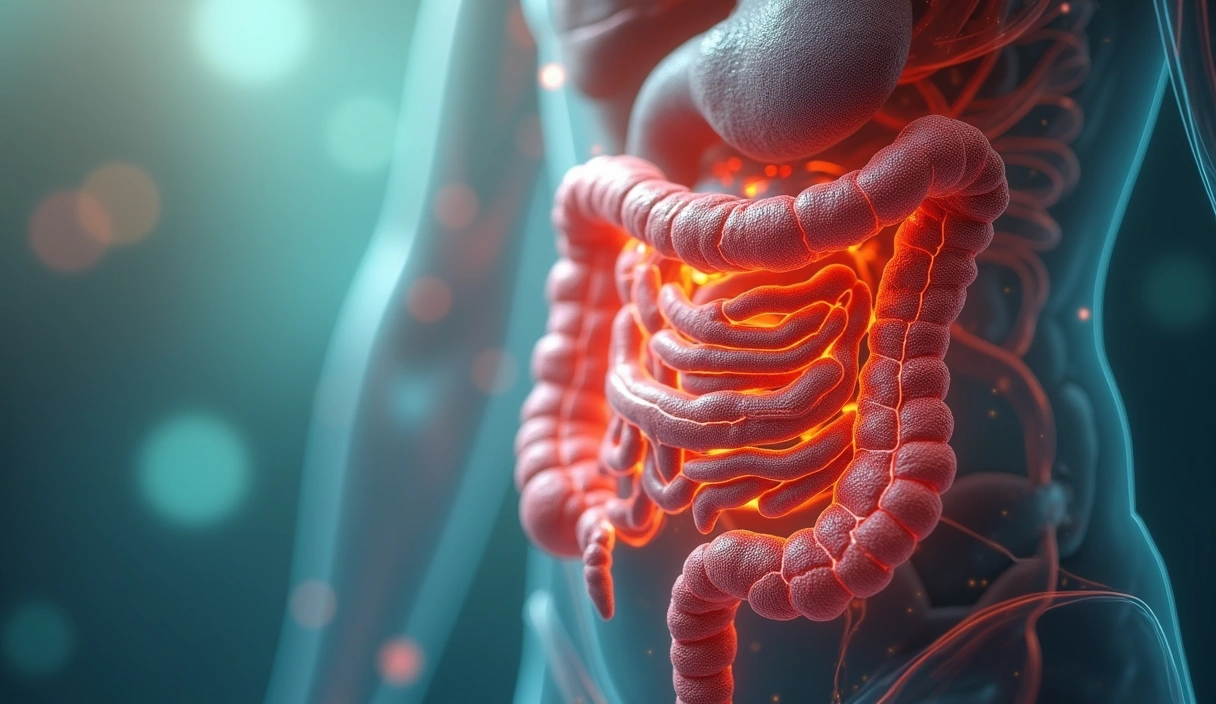
New research shows that the bacteria in the human gut can change how they interact with the immune system based on the specific carbohydrates a person eats. Scientists found that the same beneficial bacteria can behave very differently depending on what they are fed, a discovery that may change how personalized diets are developed.
The study focused on a bacterium called Bacteroides thetaiotaomicron, or B. theta, which is common in many people’s digestive systems and plays a role in immune function. Researchers analyzed the diets and gut samples of real people, tested mice given sugar water, and grew the bacteria with 190 different types of carbohydrates in a laboratory.
The results showed that B. theta can change its genetic activity based on what a person eats. This means the same bacterium can either help reduce inflammation or promote it, depending on the type of carbohydrate it receives.
Complex carbs and bacterial behavior
Each of the 190 carbohydrates tested caused B. theta to act differently. Some carbohydrates led the bacteria to produce compounds that reduce inflammation and support gut health. Others caused the same bacteria to create molecules linked to inflammation and immune problems.
Natural fruit sugars were linked to anti-inflammatory responses. Certain processed carbohydrates were linked to pro-inflammatory reactions. The type of carbohydrate, the researchers said, determines whether the gut bacteria help or harm the immune system.
Sugar’s effect on gut bacteria
The study also found that people who regularly drank soft drinks with white sugar had B. theta bacteria that worked differently than those who did not consume such drinks. The sugar did not just affect digestion. It weakened the gut’s protective barrier and lowered immune defenses. Levels of immune cells that fight infections dropped, and gut tissue repair was poorer. These changes appeared within a few weeks and continued over time.
Why one diet does not fit all
The findings help explain why the same diet can work well for one person but not for another. Each person’s gut bacteria respond differently to the same foods based on their unique microbiome. The changes are not permanent. As a person adjusts their diet, the bacteria quickly adapt their behavior. This means people can choose carbohydrates that encourage helpful bacterial responses without making extreme changes.
To support gut bacteria and immune function, researchers suggest rotating carbohydrate sources each week, such as switching between sweet potatoes, quinoa, oats, and different fruits. They also recommend paying attention to energy levels, mood, and digestion after eating different carbohydrates. Combining fiber-rich carbohydrates with meals, such as adding berries to yogurt or vegetables to grains, can provide diverse nutrients for bacteria. Limiting sugary drinks and replacing them with water infused with fruit or herbal teas may also help avoid negative effects on the gut microbiome.
The research indicates that every meal offers a chance to guide gut bacteria toward better immune function. Sugary drinks and processed carbohydrates tend to push bacteria toward inflammatory responses, while whole food carbohydrates encourage anti-inflammatory, health-supporting behaviors. The study suggests people do not need to eliminate entire food groups or follow extreme diets. Instead, they can focus on giving their gut bacteria a variety of fiber-rich, whole food carbohydrates.
